When Off-the-Shelf Fittings Fall Short: The Engineering Drivers for Custom Fabrication
Standard pipe fittings often cannot meet the complex demands of specialized projects. Non-standard geometry and dimensional constraints—such as unique angles, radii, or lateral wye branch connections—require custom fabrication to ensure proper fit and function. Extreme pressure, temperature, and flow dynamics further challenge off-the-shelf options, demanding fittings engineered to withstand high stress and operational variability. Additionally, metallurgical and dissimilar metal transitions, like nickel alloy pipe fabrication or duplex stainless steel fittings, require precise material compatibility and specialized welding procedures. Custom fabricated pipe fittings provide the tailored solutions necessary to address these critical engineering drivers, ensuring safety, durability, and compliance in demanding environments.
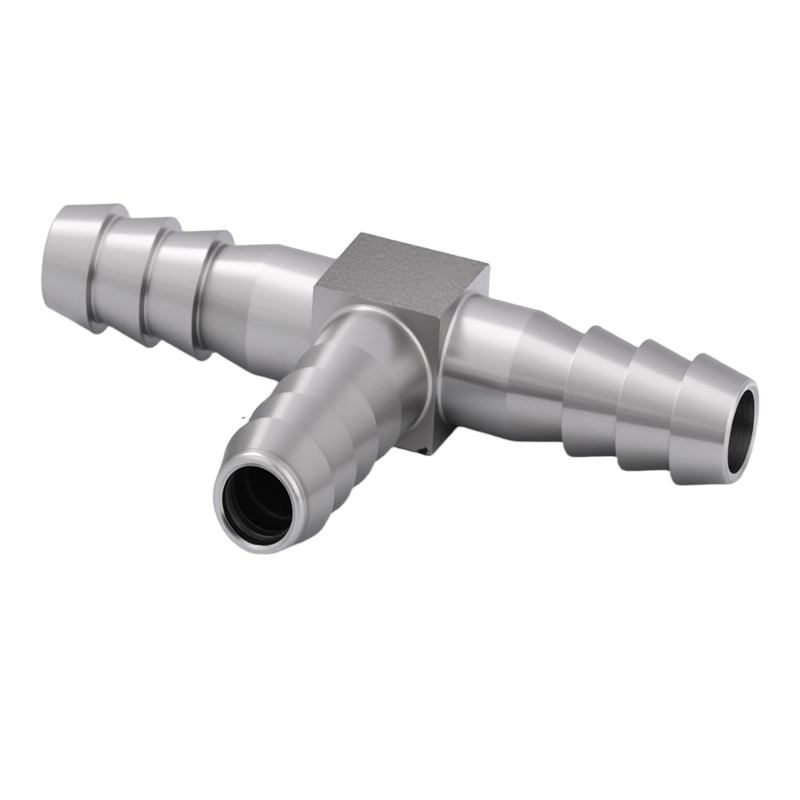
Core Classifications of Custom Fabricated Pipe Fittings
When it comes to custom fabricated pipe fittings, understanding the main types helps ensure you select the right solution for your project.
Custom Butt-Weld Fittings are designed for seamless, high-integrity connections in pipelines. We manufacture elbows, tees, reducers, and caps that meet strict ASME B16.9 tolerances, ensuring precise fit and optimal flow. These fittings are ideal for applications demanding leak-proof, durable joints.
Bespoke Forged & High-Pressure Fittings are engineered for demanding environments. Forged fittings provide superior strength and are suitable for high-pressure systems, including 3000# and 6000# classes. We produce threaded, socket-weld, and specialty fittings that adhere to strict quality standards and are tested with non-destructive testing (NDT) protocols to guarantee safety and performance.
Integrated Pipe Spools and Prefabricated Manifolds offer a turnkey solution for complex piping systems. These custom pipe spools are fabricated based on client drawings or CAD models, including branched connections like lateral wye branches. Prefabricated manifolds streamline installation, reduce field welding, and improve system reliability, especially in projects with tight schedules or challenging layouts.
All these core classifications are tailored to meet your specific engineering needs, ensuring high quality, reliable performance, and compliance with international standards.
Material Selection and Metallurgical Considerations for Custom Fabricated Pipe Fittings
Choosing the right materials is critical for the performance and longevity of custom fabricated pipe fittings. High-performance stainless steels like 304/304L and duplex stainless steels (such as 2205 and 2507) are ideal for corrosive environments, offering excellent strength and corrosion resistance. These materials are often used in industries like oil & gas, chemical processing, and water treatment.
For applications requiring high strength and durability, carbon steels and high-yield alloy steels (like A234 WPB, A105, and A350 LF2) are common choices. They provide reliable performance under high pressure and temperature conditions, especially when combined with proper surface treatments.
Nickel alloys and exotic metals, including Inconel, Monel, and Hastelloy, are selected for their exceptional resistance to extreme environments, such as high temperatures, aggressive chemicals, or highly corrosive media. These materials are often used in specialized custom pipe fittings where standard steels cannot meet the demanding conditions.
In all cases, material selection must align with the specific project requirements, including pressure ratings, temperature ranges, and chemical exposure. Proper metallurgical considerations ensure the integrity of custom pipe fittings and compliance with industry standards such as ASME B16.9 and EN 10204 3.1 certification requirements.
Sourcing Strategy: How Hongqian Mitigates Supply Chain and Quality Risks
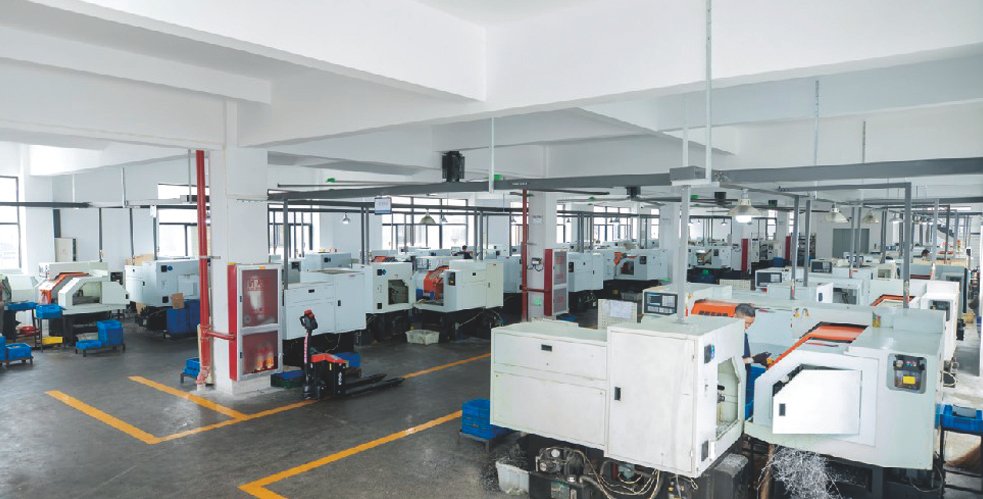
Hongqian’s custom fabricated pipe fittings are backed by strong OEM/ODM capabilities, ensuring we can produce exactly to your specifications—no matter how complex or non-standard. Our direct manufacturing approach gives us full control over quality, from raw material sourcing to final inspection, minimizing risks and delays.
We implement strict quality oversight at every stage, including tooling adaptability to meet unique project needs. Our team uses advanced inspection protocols, such as Positive Material Identification (PMI) and non-destructive testing (NDT), to verify every component’s integrity and compliance with industry standards.
For global projects, we adhere to international packaging and export standards, ensuring safe transit and on-time delivery across borders. This comprehensive sourcing strategy guarantees that your custom fabricated pipe fittings meet the highest quality benchmarks while reducing supply chain disruptions.
 Engineering Checklist: What to Include in a Custom Fitting RFQ
When requesting a quote for custom fabricated pipe fittings, providing clear, detailed information is essential for accurate pricing and lead times. Here are the critical parameters to include:
Key Details for Precise Quotes
Design Drawings or Samples: Submit detailed CAD files, sketches, or physical samples. This helps ensure the fittings meet your exact specifications.
Material Specifications: Specify material grade (stainless steel, duplex, carbon steel, nickel alloys), wall thickness (such as SCH XXS), and any surface treatments needed.
Dimensional Tolerances: Indicate required tolerances, such as ASME B16.9 standards, especially for complex geometries or non-standard pipe fittings.
Pressure and Temperature Ratings: Define operating conditions, including pressure class (e.g., 1500#, 3000#) and temperature limits.
Connection Types: Clarify if the fitting is butt-weld, threaded, socket-weld, or flange-based, including specific standards (e.g., ASME B16.5).
Flow and Process Requirements: Note any flow dynamics, special configurations like lateral wye branch connections, or custom angles/radii.
Testing & Certification Needs: Specify required testing, such as nondestructive testing (NDT), hydrostatic tests, or Positive Material Identification (PMI). Request certifications like Mill Test Certificates EN 10204 3.1.
Design Codes & Standards: List applicable standards (ASME, DIN, JIS, GOST) and any specific codes relevant to your project.
Additional Requirements: Include special considerations like post-weld heat treatment (PWHT), welding procedure specifications (WPS), or dissimilar metal transitions.
Why It Matters
Providing these details upfront minimizes misunderstandings, speeds up the quotation process, and ensures the custom pipe fittings will perform reliably in your application. Clear specifications also help us deliver products that meet your exact engineering and safety standards.
Conclusion & Technical Consultation
Choosing custom fabricated pipe fittings offers significant cost and quality advantages. By working directly with a manufacturer, you get precise control over materials, dimensions, and testing standards, ensuring your project meets strict industry requirements. Our OEM/ODM capabilities mean we can tailor solutions to your exact needs—whether it’s complex geometries, high-pressure ratings, or specialized alloys.
Key Benefits:
| Benefit | Explanation |
|---|---|
| Cost Savings | Reduced waste, optimized material use, and direct factory pricing. |
| Superior Quality | Full traceability, ISO and ASME compliance, and rigorous testing. |
| Faster Turnaround | Streamlined OEM process and flexible manufacturing. |
| Risk Mitigation | Reliable supply chain, strict QC, and certified materials. |
Ready to move forward? Submit your drawings, specifications, or project details for a comprehensive evaluation. Our team will review your needs and provide a detailed quote, ensuring your custom pipe fittings meet your project’s technical and budget goals. Contact us today to get started.