Looking for a reliable hose barb fittings manufacturer? Choosing the right supplier can directly impact your system’s performance, leak prevention, and long-term reliability.
In this guide, you’ll learn what to look for in a trusted manufacturer, including material quality, fitting compatibility, customization options, and production standards. Whether you need fittings for fluid, air, or industrial applications, let’s find the right manufacturing partner for your needs.
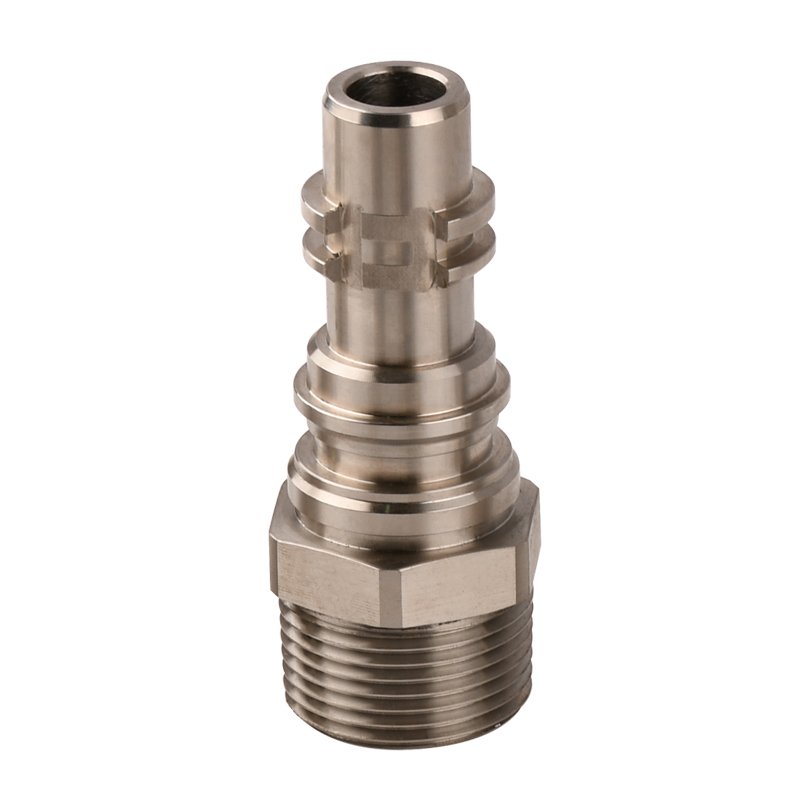
Hose Barb Fitting Types and Material Options
Choosing the right hose barb fittings depends on your application and environment. Here’s a quick overview of common types and materials:
| Material | Best For | Key Features |
|---|---|---|
| Brass | Plumbing, pneumatic systems | Durable, corrosion-resistant, easy to install |
| Stainless Steel 304 & 316 | Corrosive environments | High strength, corrosion-resistant, ideal for harsh conditions |
| Plastic & Nylon | Chemical handling, medical devices | Lightweight, chemical resistant, suitable for sensitive applications |
| Aluminum | Automotive, fuel lines | Lightweight, corrosion-resistant, good for high vibration areas |
Key Points:
-
- Brass hose barb connectors are popular for their durability in plumbing and pneumatic systems.
- Stainless steel 304 and 316 barbs excel in corrosive environments like marine or industrial settings.
- Plastic and nylon hose barbs are cost-effective choices for chemical and medical applications.
- Aluminum fittings are ideal when weight matters, especially in automotive and fuel line setups.
Matching the right material to your environment ensures leak-proof, long-lasting connections.
Core Capabilities of a Hose Barb Fittings Manufacturer
A reliable hose barb fittings manufacturer offers a range of advanced manufacturing processes to meet diverse needs:
| Process | Description | Applications |
|---|---|---|
| Precision CNC Machining | High-tolerance metal barbs with tight specs | Medical, pneumatic, industrial systems |
| High-Volume Plastic Injection Molding | Cost-effective production for custom plastic fittings | Chemical handling, medical devices |
| Cold Forming & Forging | Heavy-duty fittings for industrial use | Hydraulic systems, fuel lines |
| Surface Finishing | Electro-polishing, passivation, plating | Corrosion resistance, aesthetic appeal |
These core capabilities ensure our hose barb fittings are durable, precise, and tailored to your specific application needs. Whether you need stainless steel, brass, or plastic, we have the equipment to deliver consistent quality at scale.
OEM and Custom Hose Barb Manufacturing Capabilities
When it comes to custom hose barb fittings, I know that every application needs a tailored solution. That’s why I focus on custom barb profile engineering to match specific tube durometers, ensuring a tight grip without leaks. Whether you’re working with soft silicone or rigid plastics, I can design barbs that fit perfectly.
I also offer hybrid thread configurations like NPT, BSPP, BSPT, and metric threads. This flexibility makes it easier to connect with different systems and standards used across industries.
For complex setups, I provide multi-port configurations—including tees, elbows, crosses, and manifold blocks. These help streamline your fluid or pneumatic systems, reducing the number of fittings needed.
Plus, I prioritize rapid prototyping and CAD-to-part lead times. When you need a custom fitting fast, I can turn your design into a real product quickly, helping you stay on schedule and avoid costly delays.
Quality Control and Industry Certifications to Look For in Hose Barb Fittings Manufacturing
When sourcing hose barb fittings, quality control is crucial. A reliable manufacturer should have strict standards to ensure performance and safety. Here’s what to look for:
-
- ISO 9001:2015 Certification
Ensures the manufacturer follows a proven quality management system. This means consistent product quality and reliable delivery. - Food and Medical Grade Certifications
Look for FDA, NSF, and USP Class VI compliance. These certifications confirm the fittings are safe for food, beverage, and medical applications, where contamination must be avoided. - Environmental Certifications
RoHS and REACH certifications show the manufacturer adheres to strict environmental standards, reducing harmful substances in products. - In-House Testing Capabilities
Top manufacturers perform pressure testing, helium leak testing, and pull-off retention testing in-house. This guarantees each batch meets the required standards for durability and leak-proof performance.
- ISO 9001:2015 Certification
Choosing a hose barb fittings manufacturer with these certifications and testing processes ensures you get safe, reliable, and compliant products for your projects.
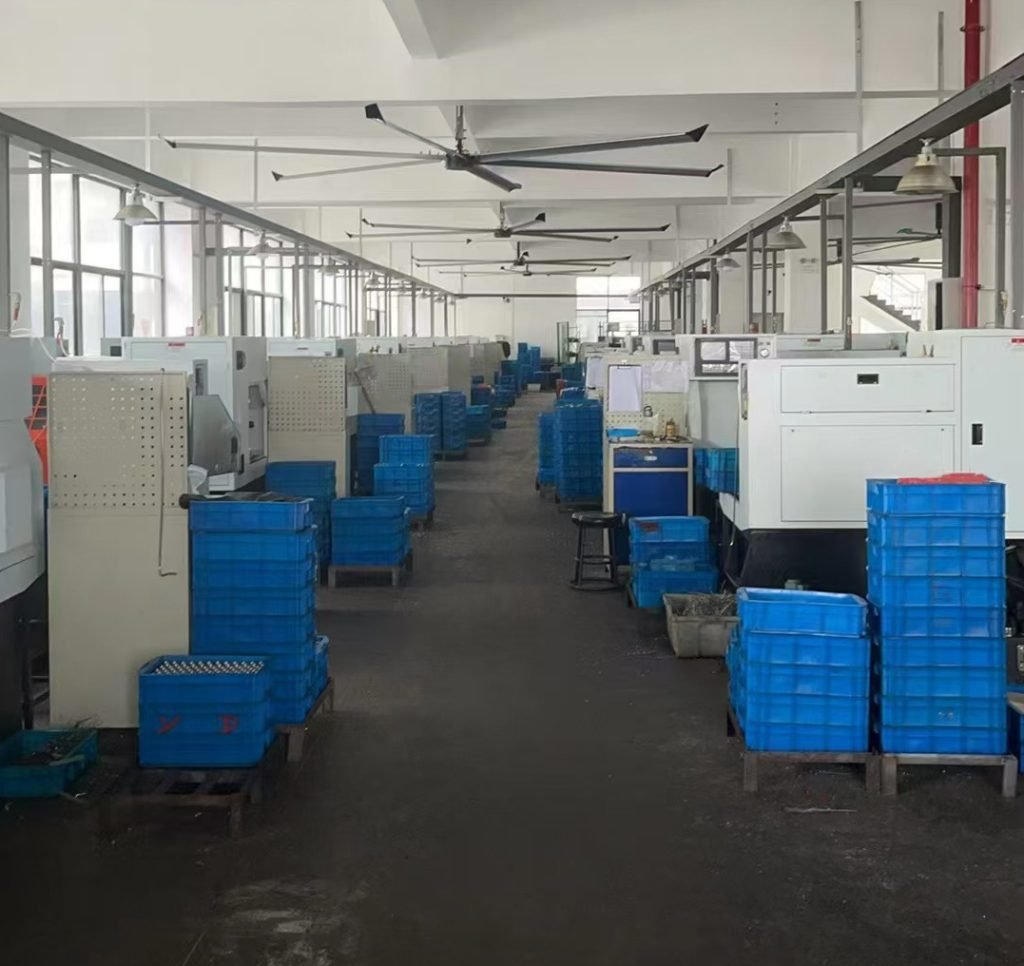 How to Vet a Hose Barb Fittings Manufacturer for Bulk Sourcing
When sourcing hose barb fittings manufacturer for bulk orders, it’s crucial to evaluate their production capacity and reliability. Here’s what to focus on:
Factory Direct Production vs. Trading Intermediaries
-
- Factory direct means better control, consistent quality, and lower costs.
- Trading companies might add markup and less control over quality.
- Always ask for proof of manufacturing capability and certifications.
Minimum Order Quantities (MOQ) & Tiered Pricing
-
- Clarify MOQ to avoid overbuying or underordering.
- Look for scalable tiered pricing—costs decrease with larger orders.
- This helps manage your budget and inventory efficiently.
Supply Chain Reliability & Lead Times
-
- Confirm their production lead times and delivery schedules.
- Reliable suppliers keep your inventory steady and avoid delays.
- Ask about inventory warehousing options for faster turnaround.
Packaging Options
-
- Decide between bulk bin packaging or individually labeled retail packs.
- Bulk is cost-effective for large projects.
- Retail packs are better for retail or smaller-scale needs.
| Aspect | What to Check | Why It Matters |
|---|---|---|
| Production Capacity | Factory size, equipment | Ensures they can handle your volume |
| MOQ & Pricing | Tiered discounts | Saves money on large orders |
| Lead Times | Delivery speed | Keeps your project on schedule |
| Packaging | Bulk vs. retail | Fits your distribution needs |
Choosing a hose barb fittings manufacturer with solid capacity, flexible pricing, and reliable logistics makes your procurement smoother and more cost-effective.
Sizing Specifications and Engineering Fit Standards for Hose Barb Fittings
Getting the right fit is critical to prevent leaks and ensure durability. Here’s what you need to know:
Matching Tubing Inside Diameter (ID) to Barb Outer Diameter (OD)
-
- Proper fit depends on matching the tubing ID with the barb OD.
- Too tight? It’ll be hard to install and could damage the tubing.
- Too loose? It risks leaks and disconnection.
- Always check the tubing size and barb specs before ordering.
Barb Angle, Sharpness, and Pitch
-
- Barb angle affects how well the hose stays on.
- A steeper pitch provides better grip but can be harder to insert.
- Sharpness helps with easy insertion but must be balanced to avoid damaging tubing.
- Pitch (distance between ridges) influences grip strength and flow rate.
Clamp Requirements
-
- Different clamps suit different setups:
- Ear clamps: secure tightly, great for high-pressure systems.
- Worm-drive clamps: versatile, easy to install, good for general use.
- Push-on barbs: rely on barb design and clamp for sealing.
- Choose the right clamp based on pressure, environment, and tubing material.
Working Pressure & Temperature Ratings
-
- Know your system’s pressure and temperature limits**.
- Typical ratings:
- Low-pressure systems: up to 150 PSI.
- High-pressure systems: 300+ PSI.
- Temperature: from -40°F to 200°F, depending on material.
- Always match fittings to your environment to avoid failures.
| Key Point | Details |
|---|---|
| Diameter Match | Tubing ID = Barb OD for a secure fit |
| Barb Design | Angle, sharpness, pitch matter for grip |
| Clamps | Ear, worm-drive, push-on options |
| Pressure/Temp | Ensure ratings match system needs |
Choosing the right sizing and fit standards keeps your systems reliable and leak-free. Always verify specifications before installation.
Frequently Asked Questions (FAQ) about Hose Barb Fittings
What makes a hose barb fitting hold without leaking?
A leak-proof fit depends on proper sizing, sharp barb angles, and secure clamps. Using the right clamp type—ear clamps, worm-drive, or push-on—ensures a tight seal. High-quality manufacturing with precise tolerances also plays a big role.
Can a manufacturer create custom barb geometries for soft silicone tubing?
Yes. OEM hose fittings can be engineered with custom barb profiles to match specific tube durometers. This ensures better grip and prevents leaks, especially with soft silicone or specialty materials.
What is the difference between single barb and multi-barb designs?
– Single barb: One gripping point, simple and common for standard applications.
– Multi-barb: Multiple gripping points for extra hold, ideal for high-pressure or heavy-duty uses. Multi-barb designs also help prevent blow-offs.
How do I request a sample run from an OEM fitting manufacturer?
Reach out with your specific requirements, including dimensions, material, and quantity. Reputable manufacturers offer quick turnaround on prototypes or sample runs, often with CAD files or drawings.
What tolerance standards do precision fitting manufacturers follow?
They typically adhere to ISO 9001:2015 standards, ensuring tight tolerances for fit and function. This guarantees consistency across batches, reducing leaks and fitting issues.
| FAQ Topic | Key Point |
|---|---|
| Leak prevention | Proper sizing, clamps, high manufacturing precision |
| Custom geometries | Yes, for soft silicone and specialty tubes |
| Single vs. multi | Multi offers better grip, higher pressure tolerance |
| Sample requests | Provide specs, CAD files, lead times vary |
| Tolerance standards | ISO 9001, strict dimensional controls |