
NPT in Stainless: What Changes
Using NPT threads in stainless steel fittings introduces specific considerations that differ from traditional materials. While the thread design remains the same, stainless steel’s properties impact fit and assembly. Stainless steel NPT fittings are more prone to galling—a type of seizure caused by metal-to-metal friction. This can make tightening and disassembly more challenging if not managed properly. To ensure a proper fit and prevent issues like leaks or damage, it’s essential to use appropriate lubricants and assembly techniques. Understanding these differences helps maintain the integrity of your stainless steel NPT fittings and ensures reliable, long-lasting connections.
Size Range
1/8″–2″ Nominal Coverage
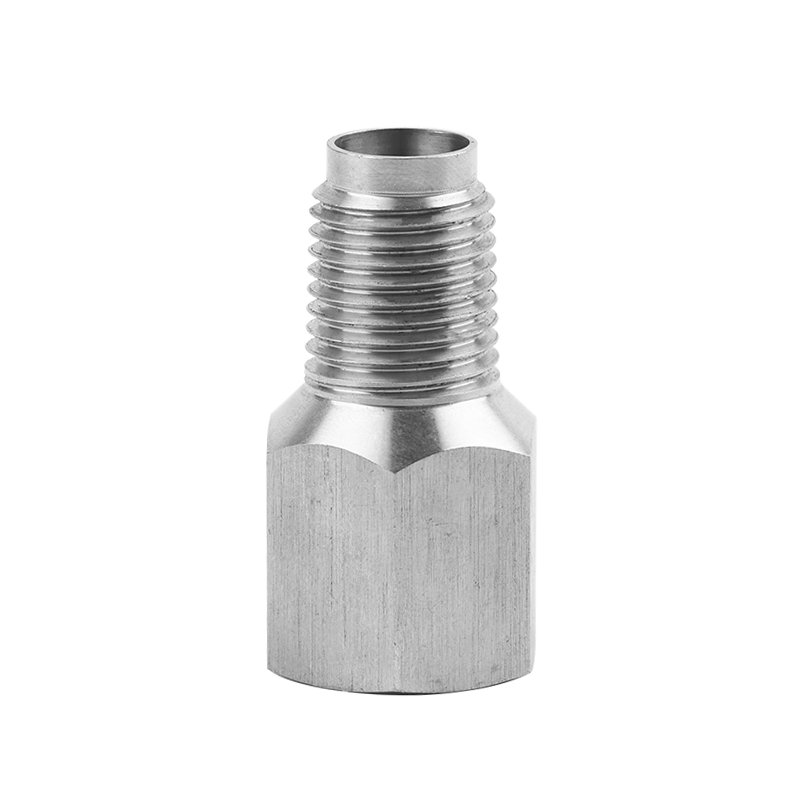
Stainless steel NPT fittings are available in a broad size range, from 1/8 inch up to 2 inches. This range covers most standard plumbing and industrial applications, ensuring you can find the right fit for your project. Whether working with small, precise connections or larger piping systems, these fittings provide reliable sealing and durability. For specific dimension details, consult the NPT thread size chart to ensure compatibility.
TPI Quick Reference by Size
Thread Pitch Inches (TPI) varies depending on the fitting size, with standard NPT threads typically ranging from 27 to 14 TPI. Smaller sizes like 1/8″ and 1/4″ usually have higher TPI counts (around 27), offering finer threads for tight sealing. Larger sizes, such as 1/2″ or 1″, tend to have lower TPI (around 11 to 14), providing robust connections with good strength. For quick reference on TPI specifications by size, check the detailed chart to select the correct thread for your stainless steel NPT fittings. Proper TPI selection is crucial for ensuring leak-free connections and ease of assembly.
Pressure and Wall Thickness
When selecting stainless steel NPT fittings, understanding the relationship between pressure ratings and wall thickness is critical. Thicker walls generally mean higher pressure capacity, providing added strength and durability for demanding applications. The wall thickness also influences the fitting’s hex size, which is essential for proper tightening and sealing. For high-pressure systems, choosing fittings with appropriate wall thickness ensures safety and longevity.
Keep in mind that the pressure rating can vary based on the fitting’s size and material grade. For example, 1/2 NPT stainless fittings often have specific wall thicknesses designed to handle typical industrial pressures, but always verify the pressure ratings for your particular needs. If you’re sourcing from a reliable stainless steel NPT fittings supplier or wholesaler in China, they can help match the right fitting with your pressure requirements.
Properly matching wall thickness and pressure ratings helps prevent leaks, failures, and costly downtime. For more details on fitting specifications, visit our threaded pipe fittings.
Size / Thread / TPI Table
A comprehensive size, thread, and TPI (threads per inch) table is essential for selecting the right stainless steel NPT fittings. These fittings come in standard sizes, typically ranging from 1/8″ to 2″, with corresponding thread specifications. For example, a 1/2″ NPT stainless fitting usually features 14 TPI, which is common for many applications.
Understanding the relationship between size, thread, and TPI helps ensure proper fit and seal integrity, especially in high-pressure or corrosive environments. When choosing fittings, confirm the thread type (NPT or other standards) and matching TPI to avoid leaks or cross-threading issues.
For precise specifications, consult detailed tables that list each size alongside its thread pitch and TPI. This ensures compatibility across your piping system and helps avoid costly mistakes. If you need custom solutions, many suppliers provide detailed charts and can assist in selecting the right stainless steel NPT fittings for your specific pressure and size requirements.
To explore a variety of options, visit stainless steel threaded pipe NPT fittings, which offers detailed specifications and sizes suitable for any project.
Galling and Assembly
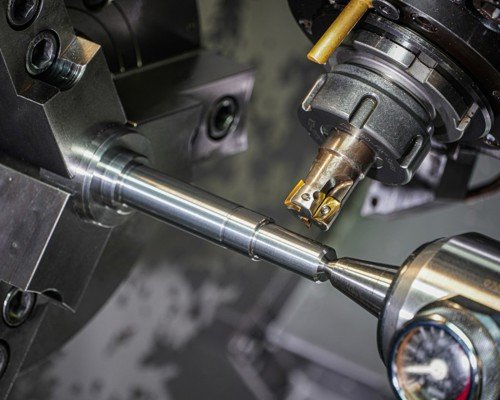
Galling is a common challenge when working with stainless steel NPT fittings, especially in high-pressure or repeated assembly situations. It occurs when stainless steel threads seize or bind due to friction and metal-to-metal contact, making disassembly difficult or damaging the fittings. To prevent galling, it’s essential to use proper assembly techniques and compatible lubricants. Applying a suitable anti-seize compound can significantly reduce friction and protect the threads during installation and removal.
Choosing the right stainless steel NPT fittings, such as those made from high-quality materials like 316L, also helps minimize galling. These fittings are designed with smooth, precise threads that resist seizure and ensure a secure fit without damaging the threads. For those sourcing from reliable stainless steel NPT fittings suppliers, quality control plays a key role in reducing galling issues. Proper assembly practices, combined with high-grade fittings, keep your connections tight and leak-free without risking thread damage.
Frequently Asked Questions
If you’re considering stainless steel NPT fittings, you probably have questions about compatibility, sizing, and installation. One common concern is how to prevent galling—stainless-on-stainless seizing during assembly. Using proper lubrication and matching thread sizes helps avoid this issue. Additionally, understanding the pressure ratings and wall thickness requirements ensures your fittings will perform reliably under your system’s conditions.
For specific sizes and pressure ratings, send us your project details — custom stainless NPT fittings are quoted within 24 hours. Whether you need 1/2 NPT stainless fittings or larger sizes, we can provide solutions tailored to your needs. As a trusted stainless steel NPT fittings supplier and wholesaler in China, we offer quality products designed for durability and easy assembly.
If you want to explore more options, check out our high-pressure stainless steel pipe fittings for demanding applications. Contact us today with your size and pressure requirements to get a fast, competitive quote.