
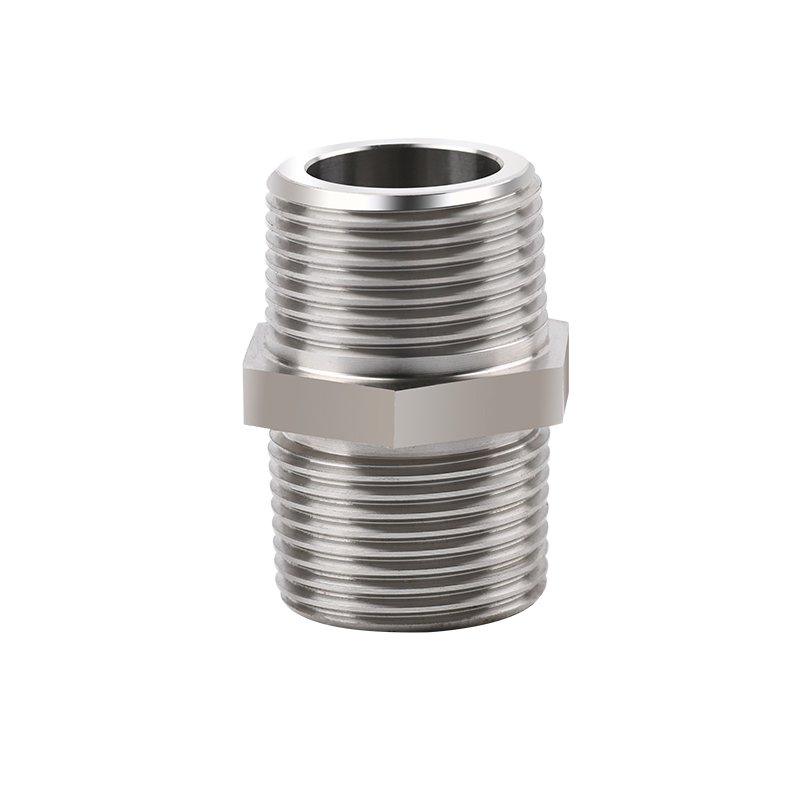
Stainless steel threaded pipe nipples are what this page covers: short lengths of tube with male thread on both ends, turned and threaded in our own workshop from seamless tube. A nipple looks like the simplest fitting on a drawing — two threads and a shoulder — but the two threads must share one axis, and that is the number this page is about.
Buyers searching for stainless steel threaded nipples usually have one of three jobs: replace a cast fitting that cracked, match an existing thread that a catalogue part does not hit, or hold a length that stock nipples do not come in. All three are build-to-drawing work, which is what a thread pipe nipple from us means — the thread, the length and the shoulder are quoted from your print, not picked from a bin.
Stainless steel threaded nipples on this page
| Type | Geometry | When it is the right call |
|---|---|---|
| Close nipple | Threads run almost to the middle; no bare shoulder | Shortest possible joint between two female ends |
| Shoulder nipple | Bare tube between the two threads | Standard lengths; wrench flats and alignment matter |
| Long-pattern nipple | Shoulder length to drawing, beyond stock sizes | Spacing a valve or gauge off the manifold |
| Swage nipple (reducing) | Two thread sizes on one part, any combination | Tying a small branch into a larger run |
| Bull plug / round head nipple | One threaded end, one domed or hex end | Closing a port that will be opened again |
Sizes: 1/8″ to 2″ on NPT and BSPT ends, M10 to M50 on metric ends, seamless tube by default and welded tube to the drawing, wall to schedule 40/80 or your print. Lengths follow the pattern — close, shoulder, or a figure on the drawing — and each thread pipe nipple is quoted from that one drawing.
Threads and ends on thread pipe nipples
| Thread | Seal principle | Checked with |
|---|---|---|
| NPT / NPTF | Taper, thread crest interference | L1 gauge plus go/no-go |
| BSPT (R) | Taper, 55° flank | Taper ring gauge |
| BSPP (G) | Parallel, seal at a face or washer | Go/no-go, flange face squareness |
| Metric M / UNF | Straight, machine-interface threads | Go/no-go ring gauge, 6g / 2A |
Thread forms are never mixed inside one part number, and one thread per end is the rule — a mixed pair, such as NPT on one end and G on the other, is quoted as exactly that and gauged separately on each end. End faces are faced square in the same setup as the threading, so the two threads share one axis and the seal faces sit true.
304, 316 or 303 for a threaded nipple
| Grade | Where it goes | Watch |
|---|---|---|
| 304 | Default: water, steam, food-side washdown | Chlorides pit it; that is the 316 conversation |
| 316 | Coastal, chemical, chloride media | Material cost; tube sourcing is thinner than 304 |
| 303 | Bar-turned small nipples, indoor, high volume | Cannot be welded; hollowing a bar wastes material — honest on the quote |
One honest note on 303: it machines beautifully, but a nipple wants a bore, and 303 tube is not a stock item the way 304 tube is. A 303 nipple starts from solid bar and gets drilled out, which shows up in the price. If the print allows 304 tube, that is usually the cheaper route even though 304 machines slower. Electro-polishing is available on 304 and 316; 303 does not take it. Every lot ships with an EN 10204 type 3.1 certificate for the heat it came from.
How a thread pipe nipple is checked here
| Feature | Normally held | How |
|---|---|---|
| Both threads on one axis | 0.05 mm typical between centres | Part in a V-block, indicator on the second thread |
| Thread acceptance | L1 / ring gauge on every lot | Gauged after the last cut, recorded |
| Overall length, shoulder | ISO 2768-m unless the print is tighter | Caliper, first article and at interval |
| Bore condition | Burr-free, dry, capped | Visual under light, ultrasonic cleaning before pack |
The runout callout is the one buyers forget to write. Threads can both gauge true and still be offset from each other if the tube is re-chucked between ends, which is why both threads and both end faces are finished in one setup on our own lathes, and the offset is measured, not assumed. Operators record dimensions at a fixed interval through the shift; one factory, one set of records.
Minimum order and lead time
1,000 pieces per size — the bar-and-tube turning floor. Nothing here needs a die, so there is no tooling charge: a drawing goes straight to a programme. A first article runs about 1–2 weeks; a repeat lot 15–20 working days.
A quote needs five lines: the grade, both thread calls with the standard, the length and pattern, the wall or schedule, and the quantity. Send those and the price is a price; send a photo and it is a guess. The same shape in carbon steel, zinc plated, is on the zinc plated hex nipple page; the female-side fittings these thread into are on the stainless steel threaded fittings page. For the machining behind both, see custom CNC machining services.
Should I order a close nipple or a shoulder nipple?
Stainless steel threaded pipe nipples are what this page covers: short lengths of tube with male thread on both ends, turned and threaded in our own workshop from seamless tube. A nipple looks like the simplest fitting on a drawing — two threads and a shoulder — but the two threads must share one axis, and that is the number this page is about.
Buyers searching for stainless steel threaded nipples usually have one of three jobs: replace a cast fitting that cracked, match an existing thread that a catalogue part does not hit, or hold a length that stock nipples do not come in. All three are build-to-drawing work, which is what a thread pipe nipple from us means — the thread, the length and the shoulder are quoted from your print, not picked from a bin.
Stainless steel threaded nipples on this page
| Type | Geometry | When it is the right call |
|---|---|---|
| Close nipple | Threads run almost to the middle; no bare shoulder | Shortest possible joint between two female ends |
| Shoulder nipple | Bare tube between the two threads | Standard lengths; wrench flats and alignment matter |
| Long-pattern nipple | Shoulder length to drawing, beyond stock sizes | Spacing a valve or gauge off the manifold |
| Swage nipple (reducing) | Two thread sizes on one part, any combination | Tying a small branch into a larger run |
| Bull plug / round head nipple | One threaded end, one domed or hex end | Closing a port that will be opened again |
Sizes: 1/8″ to 2″ on NPT and BSPT ends, M10 to M50 on metric ends, seamless tube by default and welded tube to the drawing, wall to schedule 40/80 or your print. Lengths follow the pattern — close, shoulder, or a figure on the drawing — and each thread pipe nipple is quoted from that one drawing.
Threads and ends on thread pipe nipples
| Thread | Seal principle | Checked with |
|---|---|---|
| NPT / NPTF | Taper, thread crest interference | L1 gauge plus go/no-go |
| BSPT (R) | Taper, 55° flank | Taper ring gauge |
| BSPP (G) | Parallel, seal at a face or washer | Go/no-go, flange face squareness |
| Metric M / UNF | Straight, machine-interface threads | Go/no-go ring gauge, 6g / 2A |
Thread forms are never mixed inside one part number, and one thread per end is the rule — a mixed pair, such as NPT on one end and G on the other, is quoted as exactly that and gauged separately on each end. End faces are faced square in the same setup as the threading, so the two threads share one axis and the seal faces sit true.
304, 316 or 303 for a threaded nipple
| Grade | Where it goes | Watch |
|---|---|---|
| 304 | Default: water, steam, food-side washdown | Chlorides pit it; that is the 316 conversation |
| 316 | Coastal, chemical, chloride media | Material cost; tube sourcing is thinner than 304 |
| 303 | Bar-turned small nipples, indoor, high volume | Cannot be welded; hollowing a bar wastes material — honest on the quote |
One honest note on 303: it machines beautifully, but a nipple wants a bore, and 303 tube is not a stock item the way 304 tube is. A 303 nipple starts from solid bar and gets drilled out, which shows up in the price. If the print allows 304 tube, that is usually the cheaper route even though 304 machines slower. Electro-polishing is available on 304 and 316; 303 does not take it. Every lot ships with an EN 10204 type 3.1 certificate for the heat it came from.
How a thread pipe nipple is checked here
| Feature | Normally held | How |
|---|---|---|
| Both threads on one axis | 0.05 mm typical between centres | Part in a V-block, indicator on the second thread |
| Thread acceptance | L1 / ring gauge on every lot | Gauged after the last cut, recorded |
| Overall length, shoulder | ISO 2768-m unless the print is tighter | Caliper, first article and at interval |
| Bore condition | Burr-free, dry, capped | Visual under light, ultrasonic cleaning before pack |
The runout callout is the one buyers forget to write. Threads can both gauge true and still be offset from each other if the tube is re-chucked between ends, which is why both threads and both end faces are finished in one setup on our own lathes, and the offset is measured, not assumed. Operators record dimensions at a fixed interval through the shift; one factory, one set of records.
Minimum order and lead time
1,000 pieces per size — the bar-and-tube turning floor. Nothing here needs a die, so there is no tooling charge: a drawing goes straight to a programme. A first article runs about 1–2 weeks; a repeat lot 15–20 working days.
A quote needs five lines: the grade, both thread calls with the standard, the length and pattern, the wall or schedule, and the quantity. Send those and the price is a price; send a photo and it is a guess. The same shape in carbon steel, zinc plated, is on the zinc plated hex nipple page; the female-side fittings these thread into are on the stainless steel threaded fittings page. For the machining behind both, see custom CNC machining services.
Can one nipple have NPT on one end and BSPT on the other?
Yes, and it is common enough that we treat it as routine, not as a special. The rule is one thread form per end, never mixed inside a single end: the mixed pair is quoted as exactly that — NPT on one end, BSPT (R) or BSPP (G) on the other — and each end is gauged separately with its own gauge. What we do not do is blend two thread standards on one end.
Is 303 or 304 the cheaper grade for a nipple?
Usually 304, which surprises buyers. 303 machines faster, but 303 tube is not a stock item the way 304 tube is, so a 303 nipple starts from solid bar and gets drilled out — and that material waste shows up in the price. Unless the print insists on 303 for machinability on a solid part, 304 tube turned to the thread is normally the cheaper route even at a slower cycle. Both ship with an EN 10204 3.1 certificate.
What sizes, walls and lengths can you run?
1/8″ to 2″ on NPT and BSPT ends, M10 to M50 on metric ends, seamless tube by default and welded tube to the drawing, wall to schedule 40/80 or the print. Lengths follow the pattern — close, shoulder, or the figure on your drawing, including long-pattern sizes stock does not carry. All of it is quoted from the one drawing, which is what a thread pipe nipple from us means.
Can you electro-polish a stainless nipple?
On 304 and 316, yes. On 303, no — the sulphur that makes 303 machine so well is exactly what the electrolyte attacks first, and the surface comes out pitted and grey instead of bright. So the finish conversation follows the grade: electro-polishing on 304/316 to the drawing, and on 303 we say at quoting that it is not offered rather than let the part fail at inspection.
What is the minimum order and the lead time?
1,000 pieces per size — the bar-and-tube turning floor. Nothing here needs a die, so there is no tooling charge: a drawing goes straight to a programme. A first article runs about 1–2 weeks; a repeat lot 15–20 working days. Every lot ships with the gauge records and the EN 10204 type 3.1 certificate for the heat.
Related products
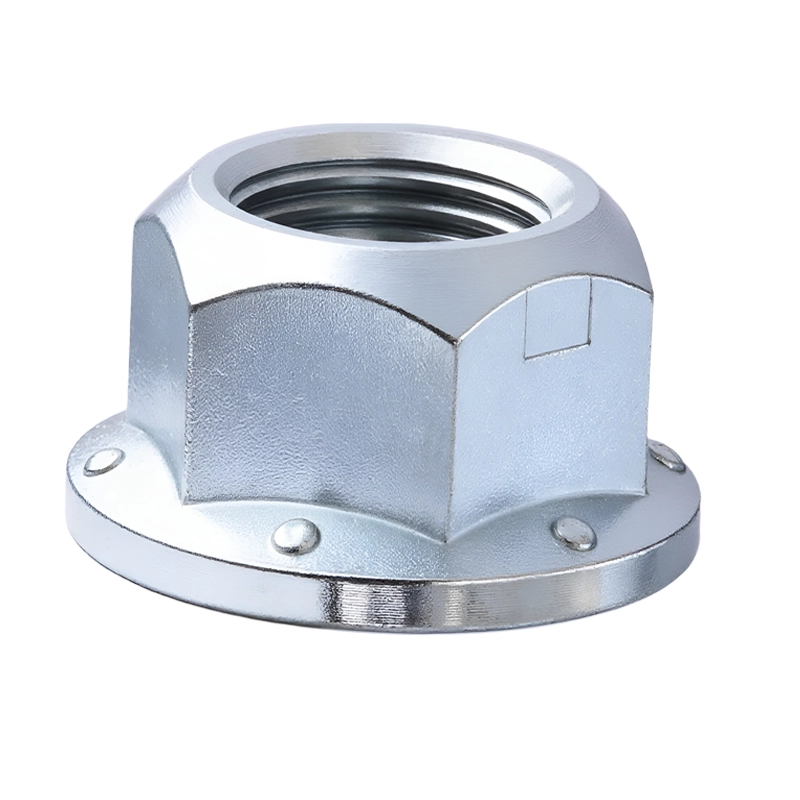
Hydraulic Hose Fittings with Hex Flange Nut
View details →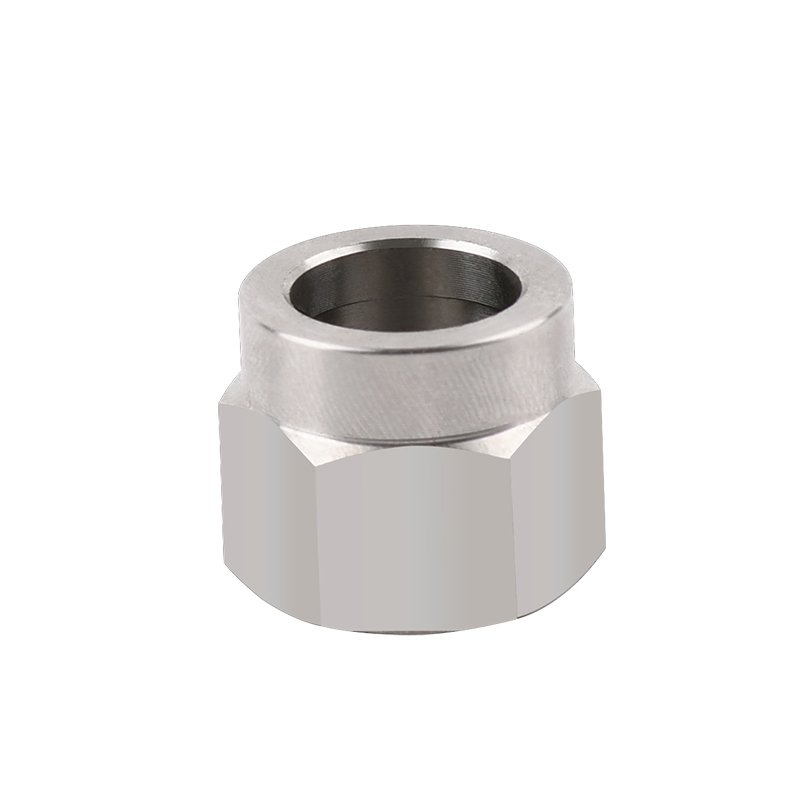
304 stainless steel nut
View details →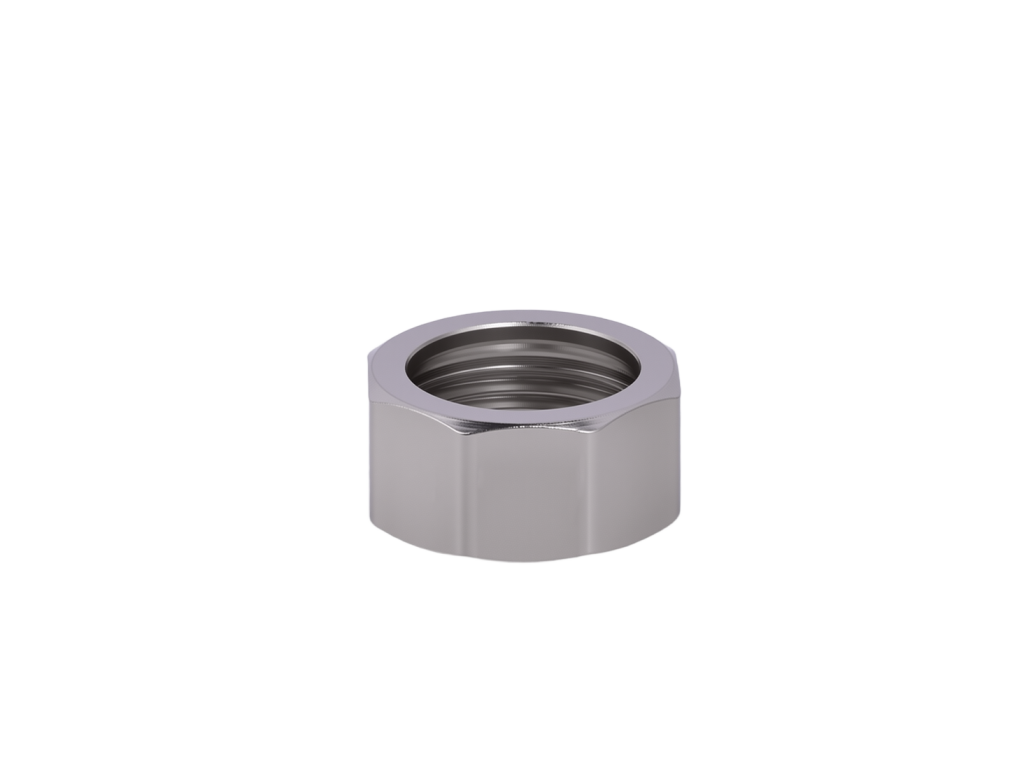
Chrome plated carbon steel hex nut
View details →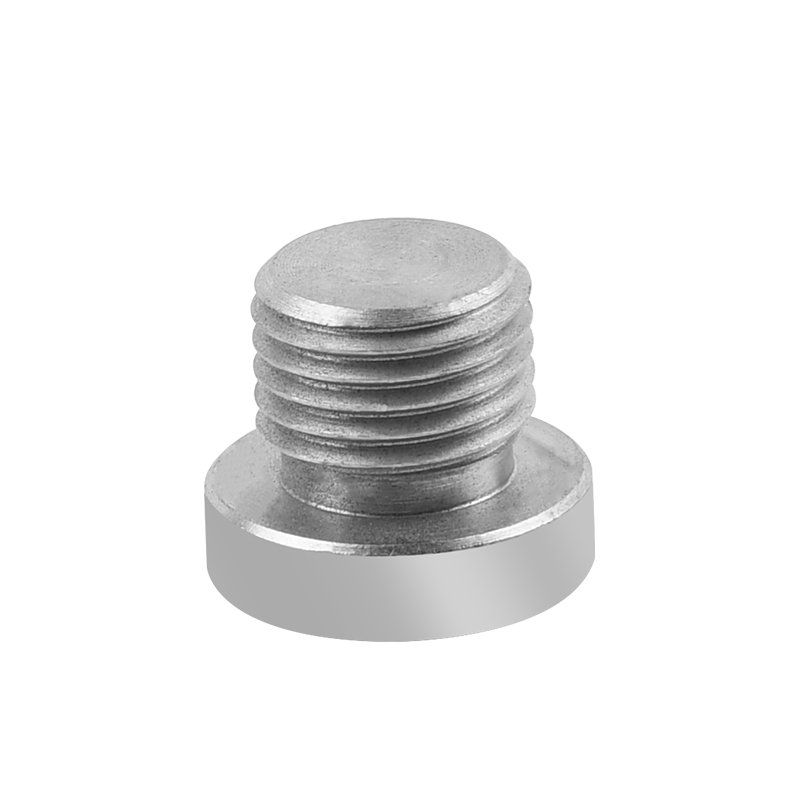
M12x1.5 Hex Head Plug
View details →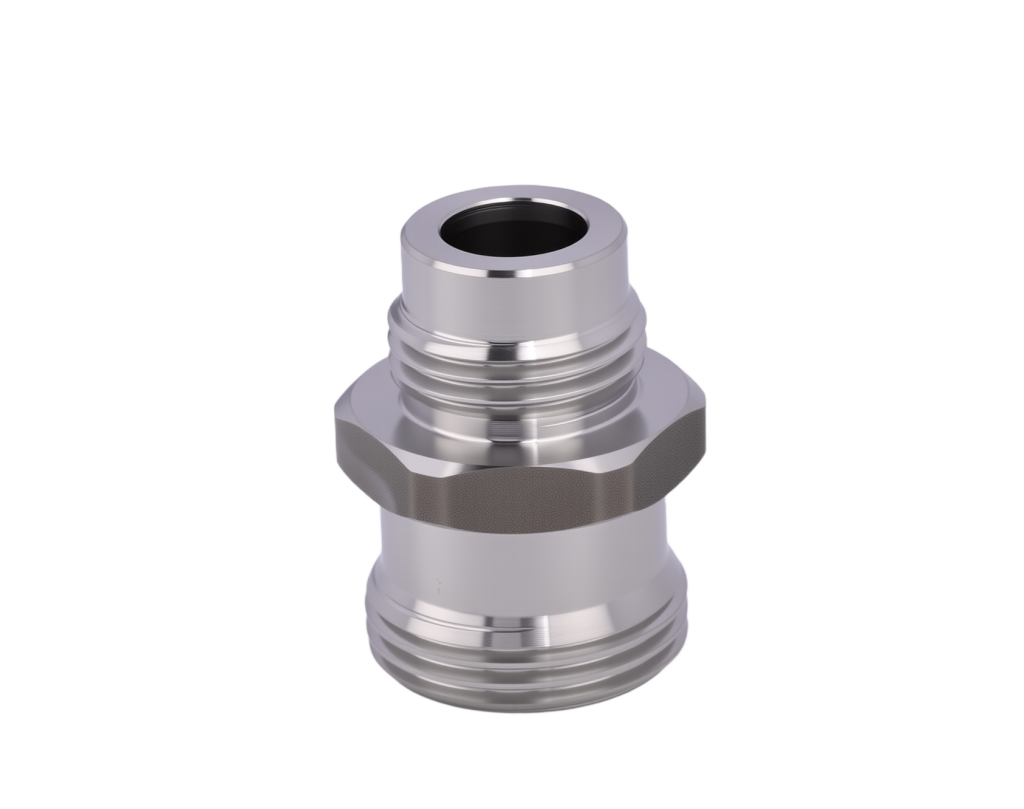
CNC Turned Parts in Stainless and Carbon Steel
View details →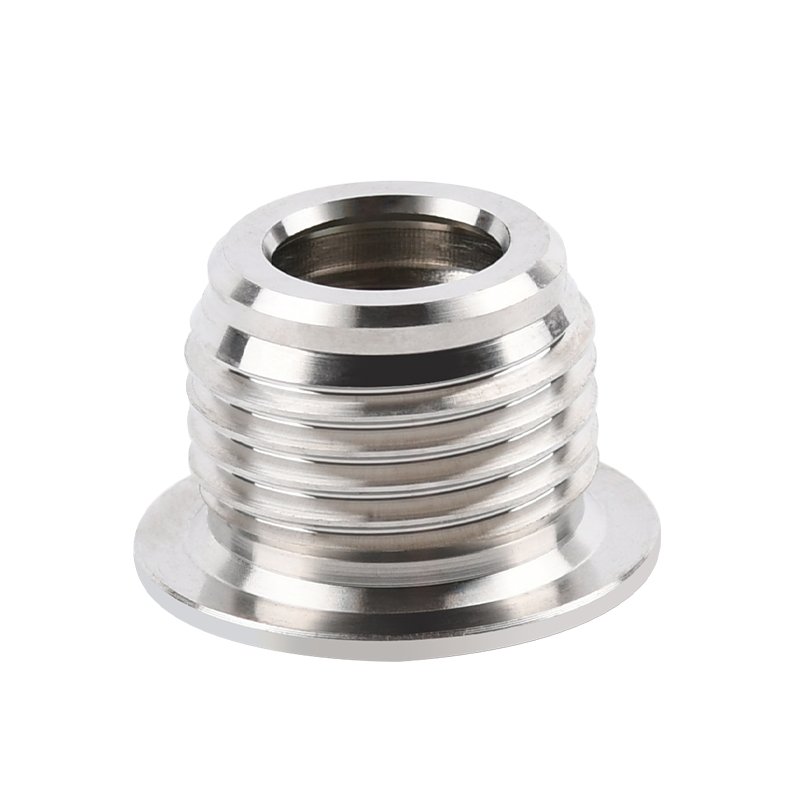
1/2 stainless steel fittings
View details →
Chrome Plated Carbon Steel Hex Nuts
View details →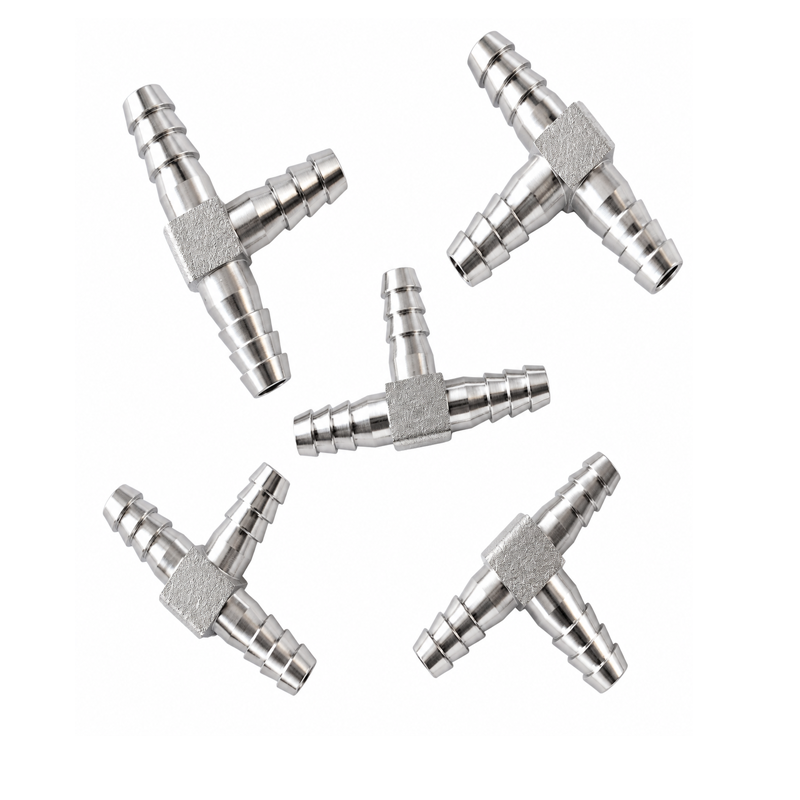
Stainless Steel Precision Turned Components
View details →Send an inquiry to our team
Tell us material, thread, quantity, and requirements. After submit, email drawings to info@sspipefitting.com if needed.
Stainless steel threaded pipe nipples