
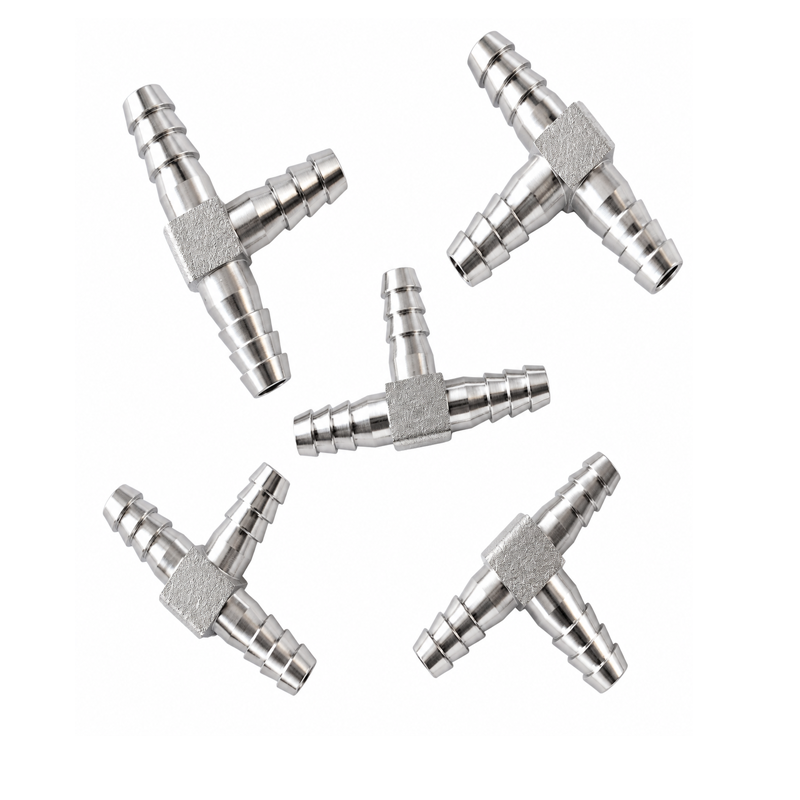
Stainless steel precision turned components are the largest share of what our workshop ships: rotationally machined parts cut from stainless bar and tube on more than 60 CNC automatic lathes, in 201, 303, 304 and 316. This page is about those parts — what turning can and cannot hold on stainless, which grade goes on the drawing, and what the quote needs from you.
What counts as a precision turned component
A part belongs on this line when its main shape is produced by turning: the stock rotates, the tool feeds, and the envelope stays round. Cross holes, milled flats, grooves and threads are added on the same machine in the same clamping, with driven tools. Precision turned components on this line include threaded fittings and adapters, plugs and caps, bushings and spacers, hose barbs, sensor and valve bodies, and connector shells.
What does not belong here: prismatic parts cut mainly by milling, and anything over the 300 × 300 mm envelope our machines accept. If milling is the primary process, that is a different page.
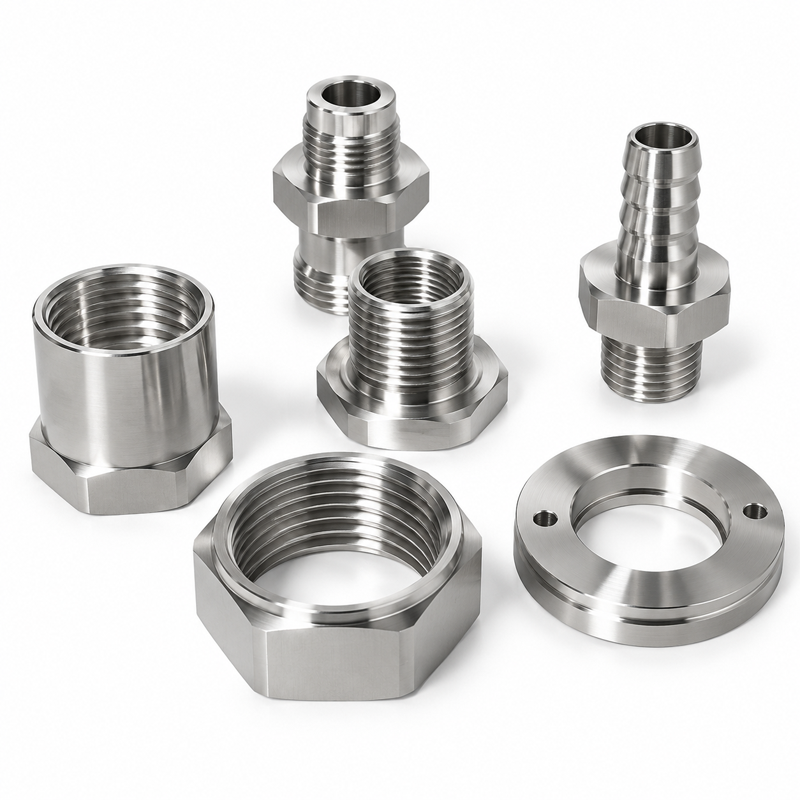
Which stainless grade goes on the drawing
Most quotes come down to one of four grades. Pick the grade first, because it decides machinability, the corrosion budget, and the finishing options further down this page.
| Grade | Pick it when | Watch out |
|---|---|---|
| 201 | Cost-sensitive indoor parts and decorative trim | Lowest corrosion resistance of the four; not for wet or coastal service |
| 303 | Long runs at tight tolerances — the sulfur breaks the chip, so it machines faster than the others | Cannot be welded (hot cracking); lower corrosion than 304; cannot be electropolished |
| 304 | The default: weldable, food, water and general industrial service | Chlorides push you to 316 |
| 316 | Chlorides, coastal installations, chemical contact | Higher material cost; slightly slower to machine |
Threads, sizes and tolerances
Thread standards we cut on stainless, without mixing systems on one part: NPT / NPTF, BSPP (G), BSPT (R), Metric M and UNF. Call the thread standard out on the drawing rather than leaving it to us to guess — tapered and parallel threads seal differently and are not interchangeable.
Size envelope: parts up to 300 × 300 mm. Diameters and lengths are quoted per drawing. Where a diameter needs a tighter fit than turning gives, we grind it in-house.
Surface finishing on stainless parts
Electropolishing is available on 304 and 316. On 303 it is not offered: the sulfide inclusions that make 303 machine so well are attacked first by the electrolyte, and the surface comes out with pinholes and grey haze. Hard chrome on 304 is done by a plating shop we have used for years, and the quote says so. Parts can be laser marked with your part number or logo before packing.
How the shop runs these parts
The stainless line runs on the same equipment as the carbon side: our own cutting and sawing machines, more than 60 CNC automatic lathes on gantry-robot loading lines, vibratory bowl feeding for small parts, tapping machines, grinding machines, laser marking and ultrasonic cleaning. Operators log dimensions on timed patrol checks; final inspection uses the optical projector, the hardness tester and the surface roughness tester. Every batch ships with an EN 10204 3.1 material report, and a dimensional inspection report when the drawing calls for one.
When a batch justifies it, CNC precision turned components run lights-out on the gantry lines overnight. If the part needs milling as its primary process instead, that sits under our custom CNC machining services.
MOQ, samples and lead time for precision turned components
Bar-turned stainless parts have a floor of 1,000 pieces per size. No tooling is involved, so first articles take one to two weeks, and the sample is a production part, not a hand-adjusted one.
| Route | MOQ per size | Tooling | First article |
|---|---|---|---|
| Bar / tube turning | 1,000 pcs | None | 1–2 weeks |
| Hot forging (when the shape needs it) | 3,000 pcs | One-off die, quoted on the order | Die 15–20 days + samples 7–10 days |
On the forging route the die is free for life on that part number: if it wears or breaks in production, we recut it at our cost. At roughly 10,000 pieces the tooling charge can be absorbed into the piece price, depending on part size.
What to put in the RFQ
- Drawing (PDF or STEP) with the thread standard called out
- Grade, or the properties you need if the grade is open
- Finish per surface — electropolished, hard chrome, or as-machined
- Quantities per size, and annual volume if known
- Certificate requirements: EN 10204 3.1, dimensional report
Compared with a trading company, precision turned components manufacturers answer tolerance and grade questions from the shop floor, the same day. The kind of parts already in production on this line is visible on our 304 stainless steel turned parts page and in the stainless steel threaded pipe fittings range. Send the drawing through the RFQ form and you will have a quote, not an acknowledgment.
What is the MOQ for stainless steel precision turned components?
Bar-turned parts start at 1,000 pieces per size. If the shape needs hot forging instead, the floor is 3,000 pieces per size, with the die quoted as a one-off line on the order.
How fast can I get first articles?
For bar-turned parts, one to two weeks, because no tooling is involved and the sample is a production part. Forged parts take longer: die 15–20 days plus samples 7–10 days.
Which grade should I choose, 303 or 304?
303 if the part runs long volumes at tight tolerances and never gets welded — its sulfur makes it the fastest stainless to machine. 304 is the default when the part needs welding or faces water and food service. 303 cannot be electropolished.
Why is electropolishing not offered on 303?
The sulfide inclusions that make 303 machine so well are attacked first by the electrolyte. The surface comes out with pinholes and a grey haze instead of the clean finish you asked for.
Do you supply material certificates?
Every batch ships with an EN 10204 3.1 material report, and a dimensional inspection report when the drawing calls for one. Final inspection uses an optical projector, hardness tester and surface roughness tester.
Can you add cross holes and milled flats to a turned part?
Yes. Driven tools on the same lathe drill, mill and tap in the same clamping, so the cross features stay true to the turned datum.
What size parts can you take?
Parts up to 300 × 300 mm envelope. Larger prismatic parts are outside what this line accepts.
Which thread standards can you cut on stainless?
NPT / NPTF, BSPP (G), BSPT (R), Metric M and UNF. We do not mix thread systems on one part, and we ask you to call the standard out on the drawing — tapered and parallel threads seal differently.
Related products
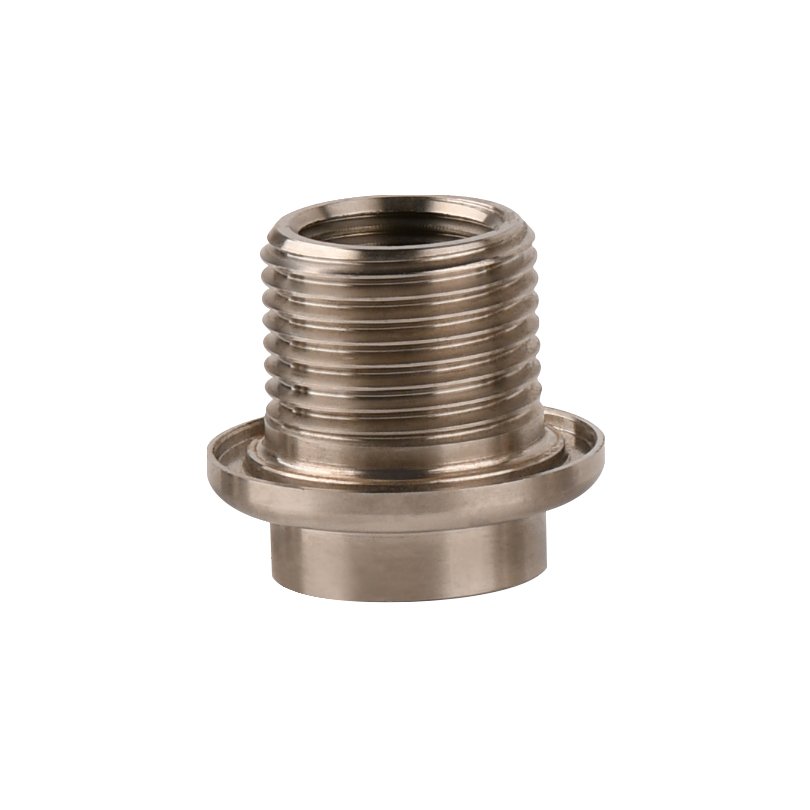
SS 316L CNC Machined Stainless Steel Fittings Supplier
View details →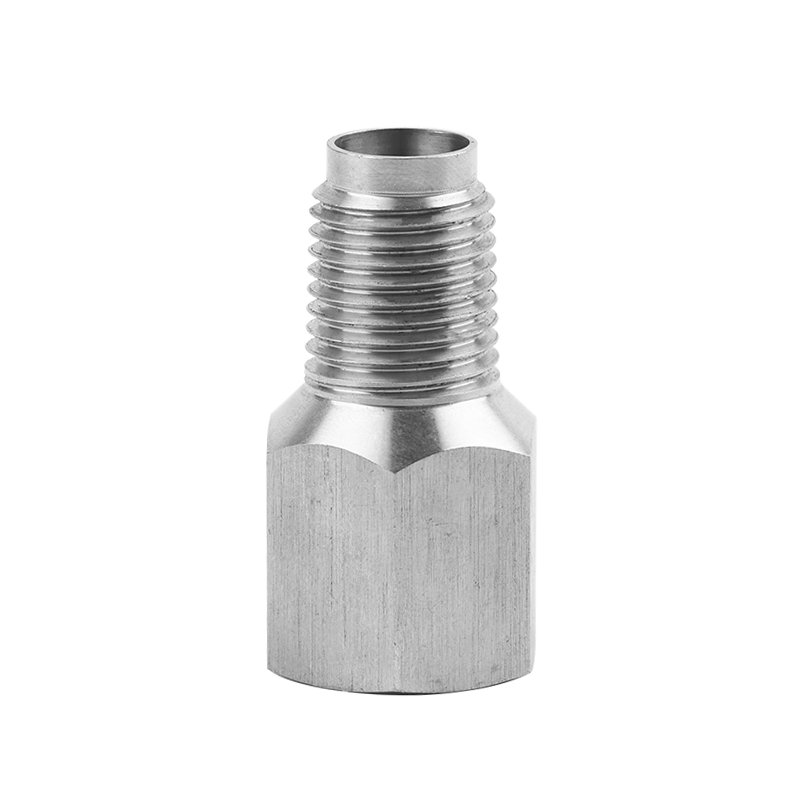
CNC machining services for NPT stainless pipe fittings
View details →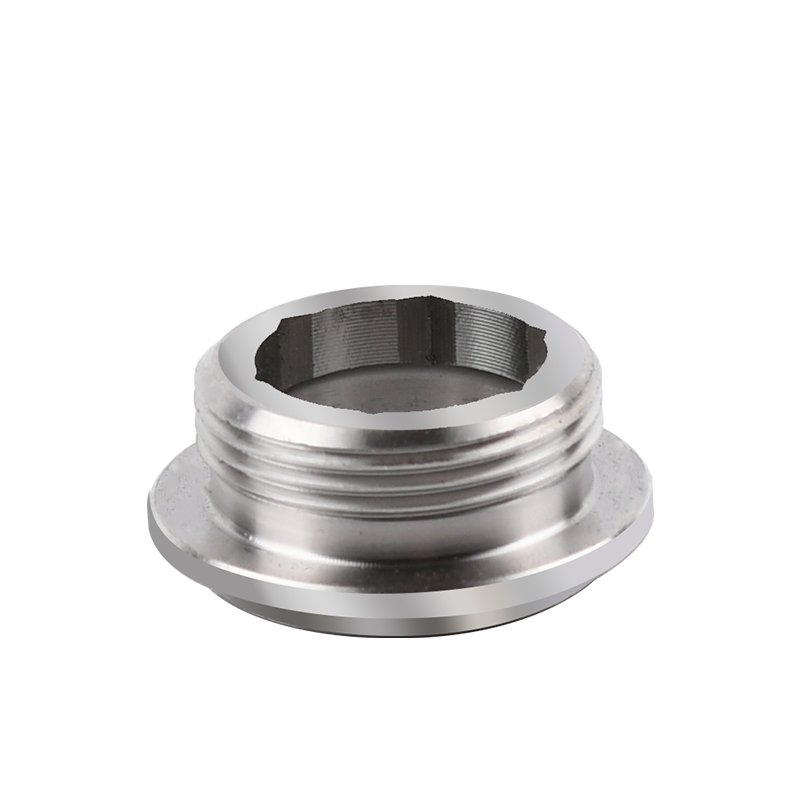
Custom 304 Stainless Steel CNC Machined Pipe Fitting
View details →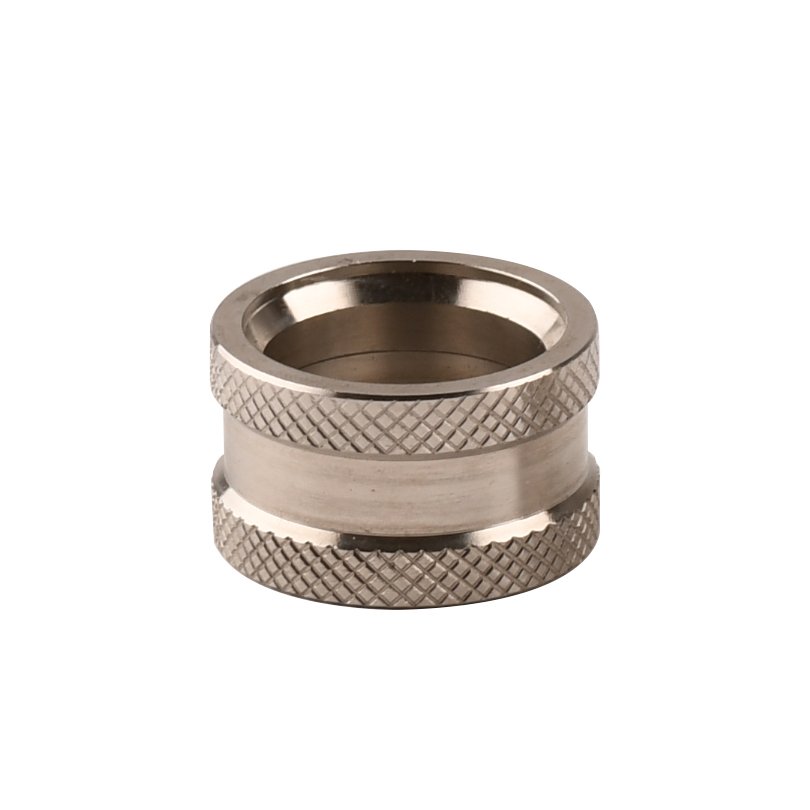
OEM Precision Custom CNC Parts and SS 304 Pipe Fittings
View details →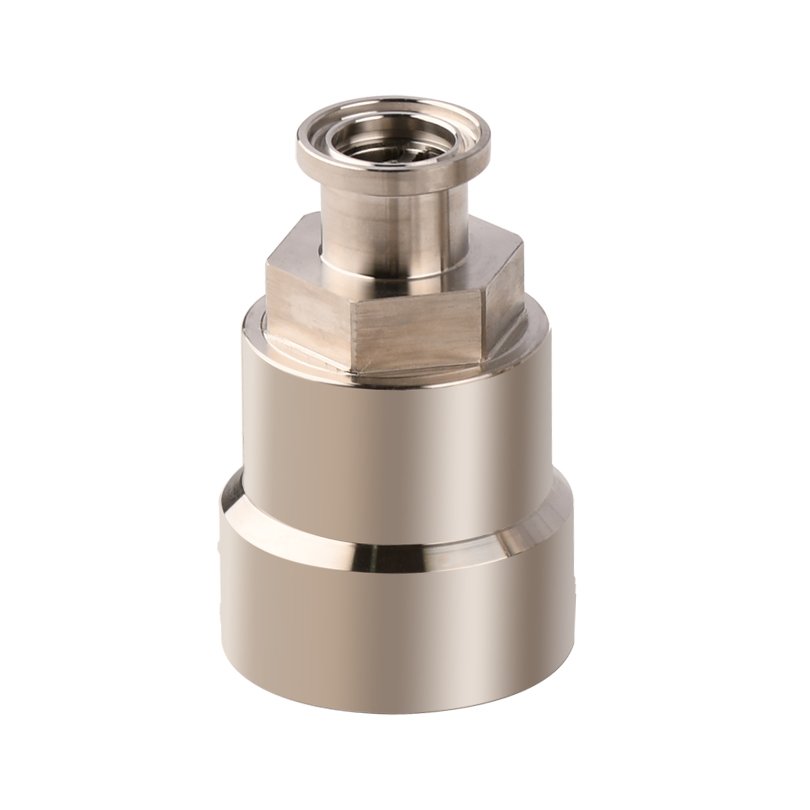
Custom cnc machining service for 316 ss fittings
View details →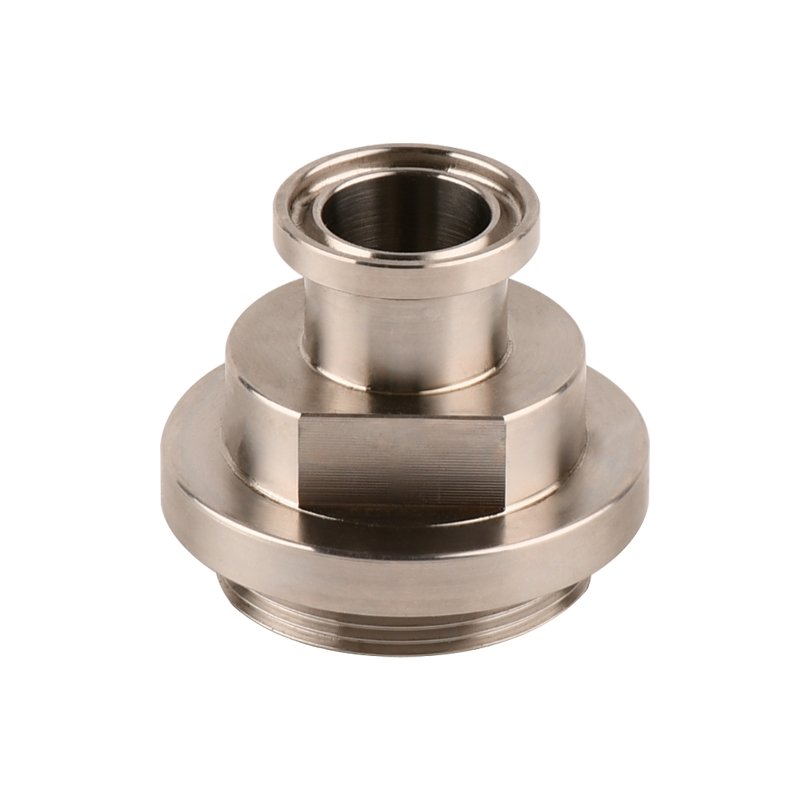
Stainless metal pipe fittings
View details →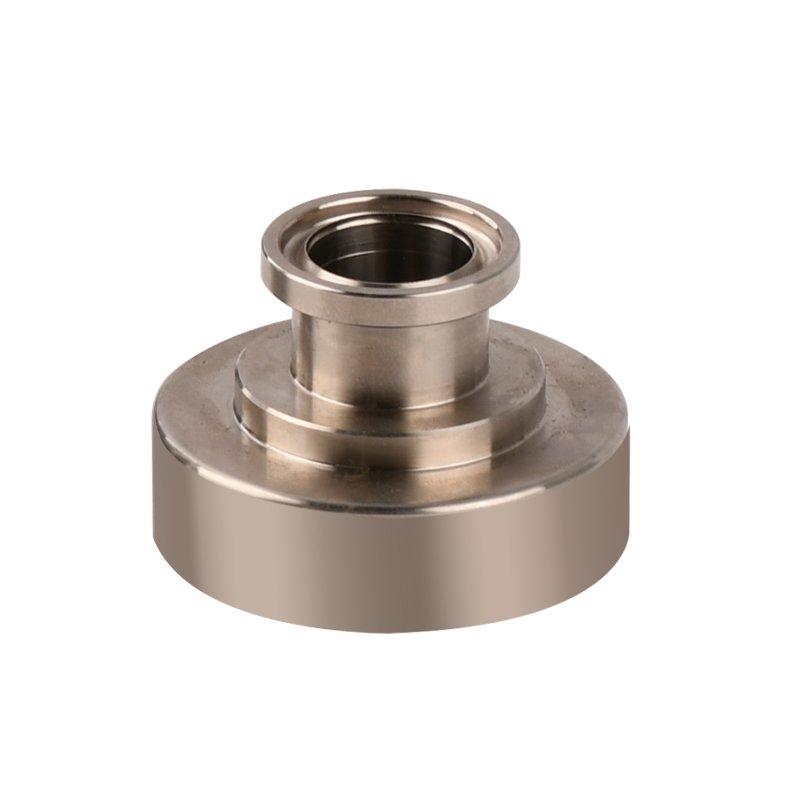
Custom CNC Turned Parts
View details →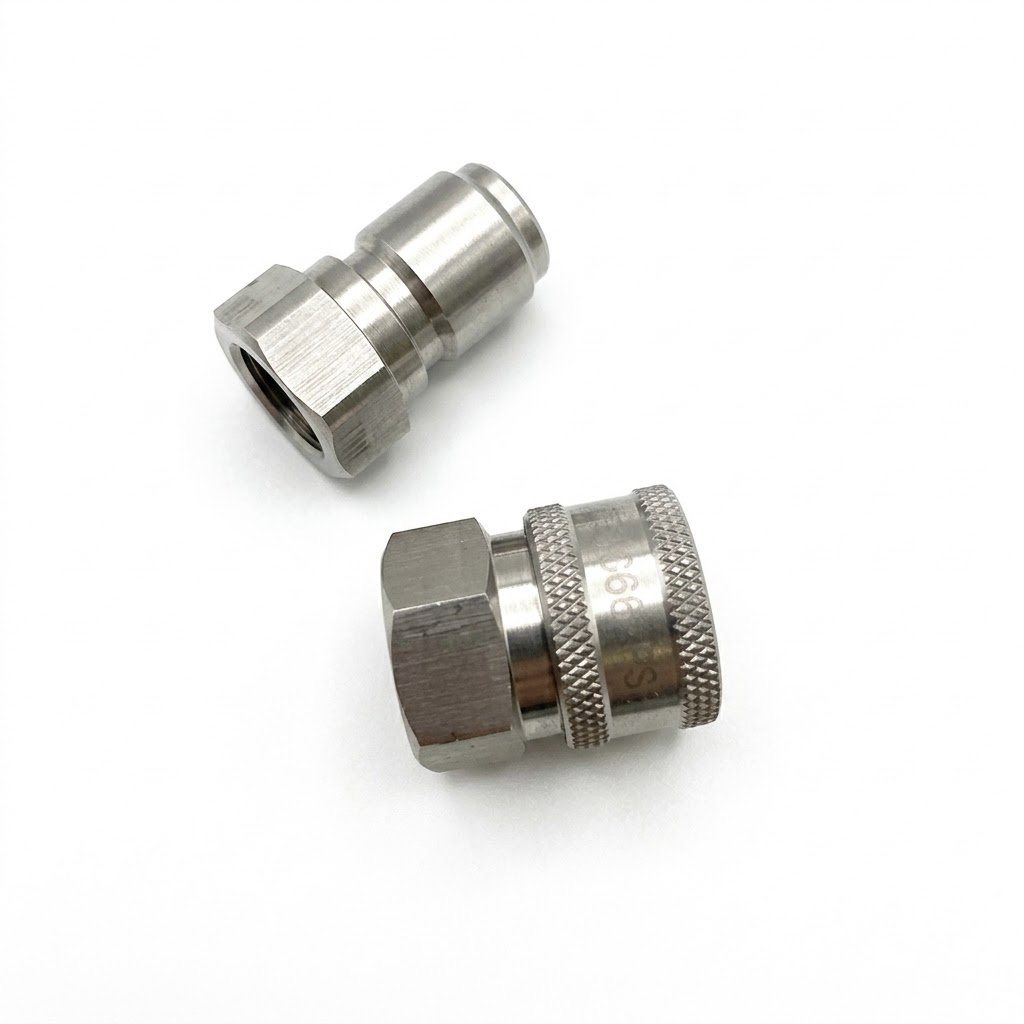
Custom Stainless Steel Quick Connect Fittings
View details →Send an inquiry to our team
Tell us material, thread, quantity, and requirements. After submit, email drawings to info@sspipefitting.com if needed.
Stainless Steel Precision Turned Components